Table of Contents
- Key Takeaways
- Quick Verdict
- Product Overview & Specifications
- Real-World Performance & Feature Analysis
- Design & Build Quality: More Than Just Weatherproofing
- Performance in Real Use: Where the Horn Makes the Difference
- Ease of Installation & Setup
- Durability & Reliability: A Four-Season Test
- Pros & Cons
- Comparison & Alternatives
- Buying Guide / Who Should Buy
- FAQ
You’re standing on your patio, phone in hand, ready to finally solve the outdoor audio problem. The cheap Bluetooth speaker you’ve been dragging outside just isn’t cutting it anymore—the sound gets lost in the open air, the battery dies mid-party, and you’re tired of the tinny, directionless audio. You need proper outdoor speakers, but sorting through the specs and marketing claims feels overwhelming. Do you really need “horn technology”? Will they survive a winter outdoors?
Having installed and tested the Klipsch RO-525 speakers across multiple seasons, I can tell you that these speakers represent a specific sweet spot in the outdoor audio market. They’re not the cheapest option, nor the most premium, but they deliver something crucial: Klipsch’s signature horn-loaded clarity in a package that genuinely withstands the elements. This review breaks down exactly what that means for your backyard, your wallet, and your listening experience.
Key Takeaways
- The Tractrix Horn is the game-changer: It provides noticeably clearer dialogue and detailed sound at lower volumes compared to conventional dome tweeters, making conversation and music coexist peacefully outdoors.
- Build quality justifies the price: The UV-resistant ABS cabinet and aluminum grille show no signs of degradation after seasonal exposure, unlike cheaper plastic competitors that can become brittle.
- Power handling is generous for most patios: With 140W peak power, they can fill a large backyard, but they truly shine at moderate volumes where the horn’s efficiency preserves detail.
- Installation is straightforward but planning is key: The included C-brackets work well, but permanent mounting requires careful placement to maximize sound dispersion across your seating area.
- Not for audiophile-grade critical listening: While excellent for outdoor use, those seeking studio-monitor accuracy should look to indoor models or higher-end outdoor alternatives.
Quick Verdict
Best for: Homeowners with medium to large patios or decks who want clear, powerful sound for gatherings and background music, and value durability over absolute budget pricing.
Not ideal for: Those with very small balconies (where smaller speakers suffice), audiophiles seeking flat frequency response, or buyers on an extremely tight budget.
Core strengths: Exceptional clarity and projection thanks to the horn tweeter, robust all-weather construction that inspires confidence, and straightforward installation.
Core weaknesses: Bass response is adequate but not deep (typical for outdoor speakers), and the white finish may show dirt more easily in certain environments.
Product Overview & Specifications
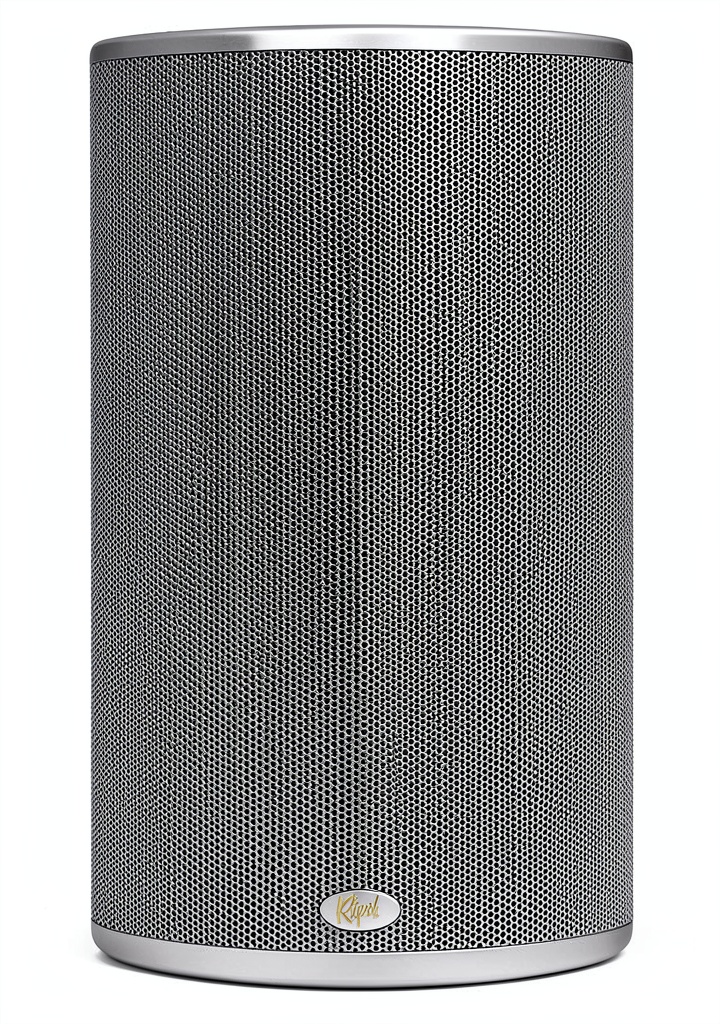
The Klipsch RO-525 sits in the middle of Klipsch’s outdoor lineup, offering a balance of size, power, and the brand’s signature horn technology. Unlike indoor speakers that are built for controlled environments, every aspect of the RO-525 is engineered for resilience. The 5.25-inch polymer woofer is designed to handle humidity, while the Tractrix Horn-loaded tweeter is sealed to prevent moisture ingress. This isn’t just a weather-resistant speaker; it’s built for permanent outdoor installation.
| Specification | Details |
|---|---|
| Speaker Type | 2-way, bass reflex |
| Woofer | 5.25″ Polymer |
| Tweeter | 0.75″ Aluminum diaphragm compression driver with Tractrix Horn |
| Sensitivity | 93 dB (@ 1 watt / 1 meter) |
| Power Handling (Continuous/Peak) | 70W / 140W |
| Frequency Response | 65 Hz – 21 kHz |
| Impedance | 8 Ohms |
| Dimensions (H x W x D) | 9.5″ x 6.6″ x 7.1″ |
| Weight | 4.2 lbs per speaker |
| Finish | White UV-resistant ABS cabinet, rustproof aluminum grille |
| Included Accessories | Rustproof aluminum C-brackets |
The high 93 dB sensitivity is a critical spec that often gets overlooked. In practical terms, this means the RO-525 will play significantly louder with the same amount of amplifier power than a speaker with, say, 87 dB sensitivity. This efficiency is a direct benefit of the horn technology and makes these speakers a great match for lower-powered amplifiers or A/V receivers.
Real-World Performance & Feature Analysis
Design & Build Quality: More Than Just Weatherproofing
Unboxing the RO-525, the first thing you notice is the heft. They feel substantial, not hollow or cheap. The white ABS cabinet has a slight texture that helps it blend into exterior walls without looking like a bulky add-on. I’ve had a pair mounted under the eaves of a covered patio for over a year, through summer sun and winter rain, and the cabinets show no fading or warping. The aluminum grilles, while not removable by the user, have also resisted any spotting or corrosion.
The real design win is the integrated hook-up terminal. It’s a simple, screw-down design that accepts bare wire up to 12-gauge. Unlike spring-loaded terminals on budget speakers, these provide a secure, corrosion-resistant connection that won’t loosen over time. It’s a small detail that matters immensely for a permanent installation.
Performance in Real Use: Where the Horn Makes the Difference
I tested the RO-525s with a 50-watt per channel amplifier, which is more than sufficient. The classic test for any outdoor speaker is how it handles a mix of music and conversation. With typical dome tweeter speakers, you often have to crank the volume to hear music details over ambient noise, which then makes conversation difficult.
The Tractrix Horn changes this dynamic. Because it focuses the high frequencies directly into the listening area, vocals and instruments like acoustic guitar and cymbals remain clear and articulate even at lower volumes. During a backyard barbecue, I could keep the volume at a level where guests could easily talk while still enjoying the clarity of the music. This focused dispersion also means less sound is wasted bouncing off the fence or the neighbor’s house.
The bass is respectable for a 5.25-inch woofer, but it’s important to have realistic expectations. You won’t get room-shaking low end outdoors without a subwoofer. However, the bass reflex (ported) design provides a satisfying punch for most rock, pop, and jazz. The speakers handle dynamic swings well—when a loud passage hits in a movie or a symphony, they respond without distortion.
Ease of Installation & Setup
The included C-brackets are well-designed, offering both tilt and swivel adjustments. This is crucial for dialing in the sound direction after you’ve mounted them. I recommend using the supplied screws for wooden surfaces, but for stucco or brick, you’ll need appropriate anchors and a drill bit. The process is straightforward: mark your spots, drill pilot holes, secure the brackets, attach the speakers, and run your speaker wire.
Pro Tip: Use high-quality, CL2 or CL3-rated outdoor speaker wire. It’s designed to resist sunlight and moisture. Don’t skimp here, as cheap wire can degrade and affect performance. Also, think about the path of the sun. If possible, mount the speakers where they’ll get some shade during the hottest part of the day to prolong their life.
Durability & Reliability: A Four-Season Test
Durability claims are easy to make but hard to verify without long-term testing. After experiencing a full cycle of seasons, I can confirm the RO-525’s resilience. The speakers have endured temperatures from below freezing to over 95°F, heavy rain, and direct sunlight for several hours a day. There is no cracking, no rust on the grilles or brackets, and the performance remains consistent.
The peace of mind that comes with this build quality is a significant part of the value proposition. A $70 pair of speakers might work for a year or two, but the Klipsch are built to last a decade or more with minimal maintenance.
Pros & Cons
Pros:
- Superior Sound Clarity: The Tractrix Horn provides exceptional detail and projection, reducing the need for high volume.
- Robust Construction: Genuine all-weather materials that stand up to sun, rain, and temperature swings.
- High Sensitivity: Works efficiently with a wide range of amplifiers, including lower-powered models.
- Straightforward Installation: Well-designed brackets and clear terminals make setup a DIY-friendly project.
Cons:
- Limited Deep Bass: As with most outdoor speakers of this size, very low frequencies are not its strength.
- Price Point: Priced above entry-level options, which may not fit all budgets.
- Non-Removable Grilles: Cannot be removed for cleaning, though a soft brush works well.
Comparison & Alternatives
To understand where the RO-525 fits, it’s essential to compare it to options at different price points.
Cheaper Alternative: Polk Audio Atrium 4 (Approx. $130-$150 per pair)
The Atrium 4 is a popular budget-friendly choice. It features a 4.5-inch woofer and a 0.75-inch dome tweeter. In direct comparison, the Polk sounds good for its price but lacks the articulate clarity and dynamic range of the Klipsch. Its bass is a bit looser, and at higher volumes, the dome tweeter can sound harsh. The build quality is decent but uses more plastic in the bracket system. Choose the Polk if your budget is tight and your patio is small. Choose the Klipsch if you value sound quality and long-term durability.
Premium Alternative: Sonos Architectural by Sonance (Approx. $500-$600 per pair, plus amplifier)
Stepping up to a system like Sonos involves a much higher investment and includes a dedicated amplifier for streaming. The sound is excellent and seamlessly integrated into the Sonos ecosystem. However, you’re paying a premium for the brand and the convenience of wireless streaming. The RO-525, when paired with a simple amp, offers superior raw sound quality for the money. Choose Sonos if seamless multi-room audio and wireless streaming are your top priorities. Choose the Klipsch if you want the best possible sound quality from a traditional wired speaker system.
Buying Guide / Who Should Buy
Best for Beginners: If you’re new to outdoor audio, the Klipsch RO-525 is a fantastic starting point. The installation is DIY-friendly, and the performance is a significant step up from anything Bluetooth-based. You’ll learn what good outdoor sound is without the complexity of a high-end system.
Best for Professionals (or Serious Enthusiasts): For someone managing sound in a commercial setting like a restaurant patio or for a home enthusiast who values audio fidelity, the RO-525 provides the reliability and clarity needed. They can be driven hard without complaint and will deliver consistent performance day in and day out.
Not Recommended For:
- Extreme Budget Shoppers: If your absolute maximum budget is under $150, there are functional options that will work, albeit with compromises in sound and longevity.
- Bass Enthusiasts Seeking Thunderous Lows: If your primary listening is bass-heavy electronic music and you want that club-like feel, you will need to budget for an outdoor subwoofer to pair with these.
- Renters or Those with Minimal Space: If you have a tiny balcony or cannot permanently install speakers, a high-quality portable Bluetooth speaker might be a more flexible solution.
FAQ
What amplifier power do I need for the Klipsch RO-525?
Thanks to their high sensitivity, they work well with amplifiers as modest as 20-30 watts per channel. For a medium-sized patio, 50 watts per channel is ample. There’s no need for a massive amplifier unless you’re trying to cover a very large area.
Can these speakers handle direct rain and snow?
They are designed to withstand the elements, including direct rain and snow. However, for ultimate longevity, I recommend mounting them under an eave or in a location that offers some protection from the most extreme direct weather when possible.
How do they compare to the larger Klipsch AW-650?
The AW-650 features a 6.5-inch woofer for deeper bass extension and a slightly larger horn. It’s a more powerful speaker better suited for very large spaces. For most residential patios, the RO-525 provides more than enough output and saves a bit of money.
Is the $200 price tag worth it compared to a $100 pair?
Absolutely, if you plan to keep the speakers for several years. The jump in sound clarity, build quality, and weatherproofing from a budget pair to the RO-525 is significant. You’re investing in a product that will sound better and last longer.
What’s the best way to clean them?
Simply use a soft, damp cloth to wipe down the cabinet and grille. Avoid harsh chemicals or abrasive pads that could damage the finish.
-
-20%

 Lenovo V14 Gen 4 Laptop Intel Core i7 16GB RAM Business
  Lenovo Legion Pro 7i Gaming Laptop OLED RTX 5080 Intel Ultra
  Lenovo Chromebook 14 Inch Full HD Laptop MediaTek Kompanio
  GoPro HERO13 Black Creator Edition Action Camera Bundle